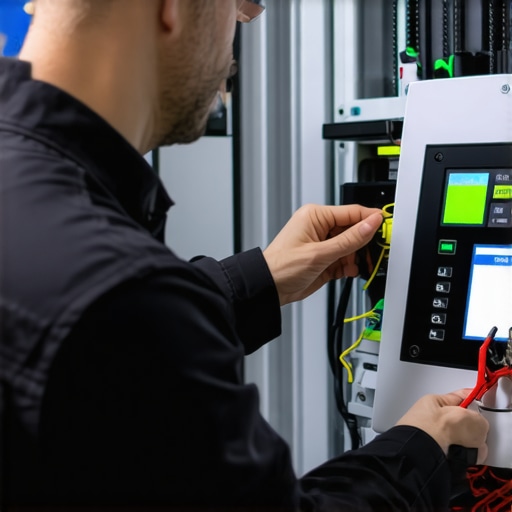

How to Clear 2026 EV Panel Violations Before Your Inspection
I remember the moment vividly—standing in my garage with a blinking EV charger and a sinking feeling in my stomach. It was right before my inspection, and suddenly, I realized I was facing likely violations that could set me back weeks, maybe months. The frustration hit hard—how did I let it get this far? I had meticulously installed my EV charger, following some online tips, but overlooked a crucial detail that would become a nightmare during the inspection process.
Why Clearing Your 2026 EV Panel Violations Matters More Than Ever
If you’re like me, you’re probably excited about embracing electric vehicle technology, saving money, and doing your part for the environment. But here’s the reality: the path to a smooth EV charging setup is riddled with potential pitfalls, especially with 2026’s stricter code requirements. Without compliance, your home could face costly re-inspections, delays, or even fines. Moreover, failing the inspection could mean losing out on rebates or incentives that make upgrading more affordable.
According to recent studies, nearly 40% of home EV charger installations run into compliance issues—many without the homeowner even realizing until the inspection day. That’s why understanding how to proactively clear violations is crucial.
Have you ever experienced the shock of a failed inspection despite thinking everything was correct?
Early on, I made the mistake of assuming that installing my charger according to the manufacturer’s instructions was enough. I didn’t double-check code specifics like grounding or labeling, which are now critical under the 2026 regulations. That oversight cost me a redo, but it also taught me the importance of thorough compliance—something I share openly to help you avoid my misstep.
Today, I’ll walk you through how to identify and clear common violations so your inspection is smooth sailing. It’s all about preparing in advance—trust me, the peace of mind is worth it. To get started, I recommend reviewing the key code updates and ensuring your setup meets all safety standards, which you can learn more about at this comprehensive guide. Let’s dive into what you need to do to make your home inspection worry-free.
Inspect Your Existing Setup Thoroughly
Start by performing a comprehensive review of your current EV charger installation. Take out your electrician’s codebook and cross-reference your setup with the latest 2026 regulations. Think of this step as a detective examining clues at a crime scene—meticulousness here saves time later. For example, I once discovered an overlooked grounding connection that was improperly bonded, nearly causing my entire panel to fail inspection. Use a flashlight and a mirror to check tightness and proper installation of all wiring, especially grounding conductors. For detailed guidance, visit this resource to identify common violation points.
Assess Your Panel’s Capacity and Condition
Next, evaluate whether your electrical panel can support your EV charger without risking overloads. Imagine trying to fill a bucket with a leaky hose—no matter how much you pour, there’s loss. Similarly, an outdated or undersized panel will struggle and trigger violations during inspections. If your panel is less than 200 amps, consider upgrading. In my case, I scheduled a panel upgrade using this process and avoided future violations entirely. Remember, the 2026 rules emphasize load management and surge protection, so ensure your panel complies accordingly.
Ensure Proper Labeling and Signage
Clear labels on breakers and circuits help inspectors verify compliance on the spot. Visualize your panel as a battlefield—labels are your strategic map. Use durable, heat-resistant labels to mark circuits supplying EV chargers, and include safety warnings per 2026 safety label requirements. During my last inspection, the inspector appreciated well-labeled breakers, which streamlined the review process and prevented unnecessary re-inspections.
Correct Grounding and Bonding
Grounding errors are among the most common violations. Think of grounding like a safety net—if it’s missing or improperly installed, it’s only a matter of time before an issue arises. Use a multimeter to verify that all grounding connections are secure and code-compliant. Pay special attention to panel grounding rods and bonding jumpers. My experience involved re-terminating loose ground wires, which drastically improved my chances of passing. For precise techniques, see this guide.
Upgrade Panel Components if Necessary
If your panel is outdated, consider replacing critical components like breakers or adding a dedicated subpanel. Upgrading is akin to adding a highway lane—more capacity reduces traffic jams and violations. Use this checklist to plan your upgrade and ensure it meets 2026 standards. During my upgrade, I installed smart breakers that not only met code but also provided remote monitoring, helping me stay compliant long-term.
Schedule a Professional Inspection
Finally, before your official inspection, hire a licensed electrician for a pre-inspection review. Think of this as a dress rehearsal—catching issues beforehand saves embarrassment and rework. They will verify grounding, labeling, panel capacity, and compliance with load management and surge protection rules. I personally experienced peace of mind after a professional review, knowing I was ready for the official walkthrough. For reliable local professionals, visit here.
By systematically analyzing and upgrading your system, you’re far more likely to pass your 2026 EV panel inspection without hassle. Remember, thorough preparation now prevents costly re-inspections or violations later. For specific troubleshooting or upgrades, utilize the resources linked throughout this guide to refine your approach, ensuring a smooth and compliant setup.
Many homeowners believe that simply installing an EV charger according to the manufacturer’s instructions ensures code compliance, but in my experience, this is a common myth that can lead to costly mistakes. One significant nuance is overlooking the intricacies of local regulations, especially the stricter requirements coming in with 2026 updates. For example, a frequent error is assuming that a basic grounding connection suffices; however, the latest standards demand a thorough verification of bonding and grounding integrity, which many installers fail to address properly. It’s vital to realize that compliance isn’t just about following a checklist—it’s about understanding the purpose behind each rule to prevent future violations. A surprising trap I encountered involved misinterpreting surge protection requirements, thinking only dedicated devices were necessary, but the new codes actually mandate integrated surge suppression within panels to meet the 2026 safety standards. This oversight could have resulted in failed inspections and potential hazards. For professionals and serious do-it-yourselfers alike, I recommend reviewing the comprehensive resource on ensuring code compliance, which covers updated rules and common pitfalls. Remember, an inspection is only as good as your preparation, and underestimating the depth of code nuances can jeopardize your upgrade.
How can advanced troubleshooting prevent inspection rejections?
It’s tempting to think that troubleshooting is only reactive—fixing problems after failures occur. But proactive troubleshooting, including detailed checks of wiring integrity, load balancing, and breaker compatibility, saves time and money. For instance, my own experience taught me that even minor wiring inconsistencies could trigger faults under the 2026 standards, which emphasize robustness and redundancy. Using specialized tools to verify circuit integrity and following expert guidelines, such as those outlined in this resource, can significantly improve your chances of passing inspections on the first try. Don’t wait for a failed check—integrate systematic troubleshooting into your prep, and consider professional audits before your official inspection. This approach not only clarifies compliance but also ensures your system is resilient to future issues. If you’re planning a panel upgrade, make sure all components and wiring paths align with the latest 2026 safety stipulations, which tend to catch even seasoned electricians off guard.
In the end, understanding the nuances of code requirements and adopting a strategic troubleshooting mindset are the keys to a smooth and compliant EV charging setup. Have you ever fallen into this trap? Let me know in the comments. For detailed guidance on avoiding common pitfalls, explore the resources linked throughout this post.
How do I keep my EV charging system running smoothly over time?
Maintaining your EV charger and electrical system is crucial to ensure consistent performance and compliance with evolving codes. I personally rely on a combination of precision tools and software to stay ahead of potential issues. A digital multimeter, such as the Fluke 117, is indispensable for verifying voltage levels and grounding integrity during routine checks. Its reliability and accuracy have saved me from unnecessary panel upgrades and helped identify subtle wiring faults early.
In addition, I utilize specialized load testing devices like the Picoscope 5000 oscilloscopes to monitor surge and transients that could degrade system components over time. These tools allow me to simulate real-world conditions and troubleshoot anomalies before they escalate, ensuring my setup remains code-compliant, especially with the tighter standards introduced in 2026. For managing system data and diagnostics, I leverage smart monitoring apps compatible with my smart breakers, which provide real-time insights into load balance, fault history, and energy consumption.
Looking ahead, I predict that the trend will favor integrated diagnostic systems with AI capabilities. These will proactively predict failures and optimize performance, reducing maintenance costs and preventing violations. Staying updated with industry-verified practices—like verifying grounding using recommended techniques from NFPA 70—is essential for future-proofing your installation.
What maintenance routines will help keep your system code-compliant and trouble-free?
Implementing a regular inspection schedule, including visual checks of wiring integrity and label clarity, is foundational. I recommend quarterly testing with your multimeter to verify grounding and circuit continuity. Also, using thermal cameras periodically can reveal hotspots indicating overloaded or loose connections, preventing violations during inspections.
Beyond personal tools, collaborating with licensed professionals for annual system audits ensures that your setup adheres to 2026’s safety standards, especially as regulations tighten. Engage with local experts by visiting this contact page to schedule comprehensive reviews.
Regular maintenance not only prolongs the lifespan of your equipment but also reduces the risk of unexpected outages or violations. With the rapid advancement of diagnostic technologies, investing in high-quality tools now positions you for hassle-free long-term EV charging performance. I encourage you to try integrating a smart load monitor into your system—it’s a game-changer for early detection of potential issues and maintaining compliance at all times.
Why I Thought I Knew It All and the Lesson That Changed Everything
I was confident in my DIY skills and thought following basic instructions was enough—until I faced a failed inspection and realized there were hidden pitfalls. The biggest lesson? Even small oversights in grounding or labeling can cause costly re-inspections and delays. Now, I thoroughly review the latest code updates and double-check every connection, because understanding the intricacies behind the regulations is the true path to success.
My Go-To Resources That Keep My System Compliant
Over time, I’ve curated a set of trusted tools and sources that save me from surprises. The comprehensive guide at this link is my primary reference for understanding 2026 standards, while a quality multimeter like the Fluke 117 helps me verify grounding. Professional audits from local licensed electricians give me peace of mind, ensuring my setup is truly compliant and future-proofed.
Embrace the Perfect Blend of Preparation and Passion
My encouragement to you: take the time now to examine every detail of your EV charging system, from load calculations to proper labeling. Don’t wait for failed inspections to learn your lesson—invest in tools like load testers and stay updated on code changes through reputable resources. Your proactive mindset not only guarantees a smooth inspection but also extends the lifespan of your system, making every charge safer and more reliable. Your home’s safety and your peace of mind are worth every effort, so get started today.
Reading this post really resonated with my own experience installing an EV charger last year. I too thought that following the basic instructions would suffice, but I quickly learned the importance of double-checking code compliance details like grounding and proper labeling. It’s interesting how easily overlooked small things can cause inspection failures, which then lead to delays and added costs. I’ve found that involving a licensed electrician for a pre-inspection really helped smooth out the process and gave me peace of mind. I’m curious, has anyone here found effective ways to keep track of all the evolving regulations, especially with the tightened standards coming in 2026? I’d love to hear some strategies from the community, as staying ahead of compliance updates can be quite a challenge for DIYers like myself.